
Understand the data movement
Measure input volumes, processing needs, output size and the cost of moving data between locations.
Proximity compute
Assess local compute for data-intensive, time-sensitive or connectivity-constrained operations. Choose the location around the workload and its dependencies.
Discuss a proximity workload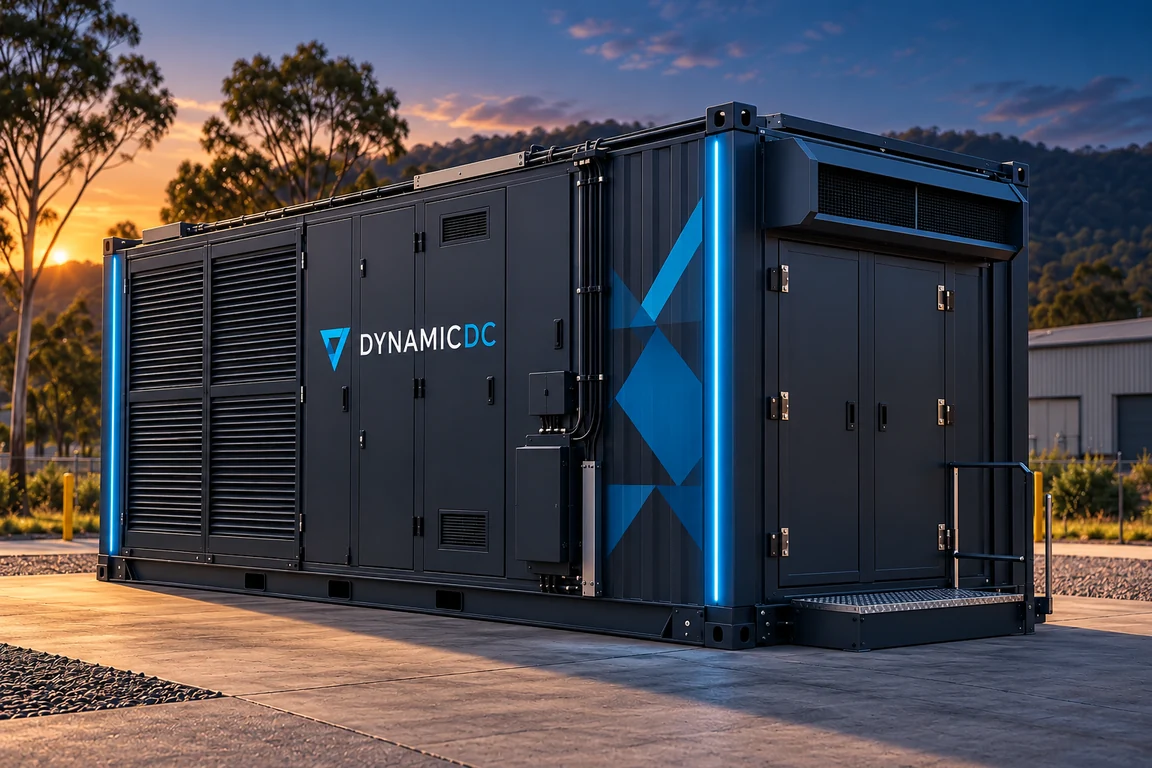
Deployable pod
A transportable modular environment for local applications, processing and campaign operations, with relocation planned into the lifecycle.
Explore our deployment systems ↗Moving every image, sensor feed or processing job to a distant environment can add network demand and delay. Selected workloads may benefit from processing near the source, with results and approved data shared onwards.
Where it fits
What the service needs to establish
Measure input volumes, processing needs, output size and the cost of moving data between locations.
Define acceptable latency and network dependencies for the actual application rather than assuming all edge workloads are alike.
Connect suitable local processing to existing cloud, identity, applications and operational systems under agreed policies.
No. A hybrid design can keep selected processing local while approved results, backups or other workloads use regional or cloud services.
Sometimes. Suitability depends on data movement, latency, availability and the application. Connectivity options require workload and site validation.
Operational compute describes what runs. Proximity describes why its location matters. One service may meet both needs.
Connected needs
Bring the systems, location and service requirement.